
Last updated September 10, 2026
Full 25-point door and opener safety check with every visit - springs, cables, rollers, tracks, and your LiftMaster or Chamberlain opener included
You get a price before we start. It does not change when the truck arrives.
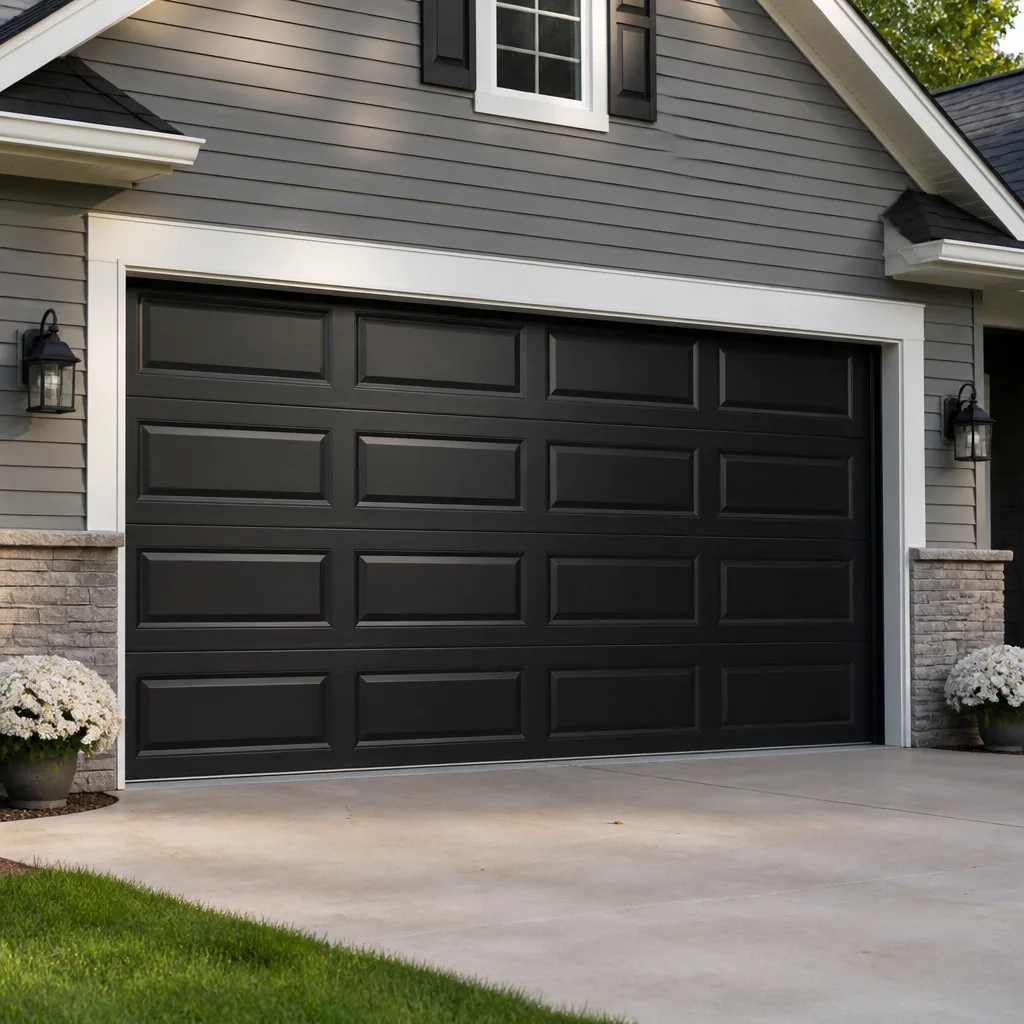
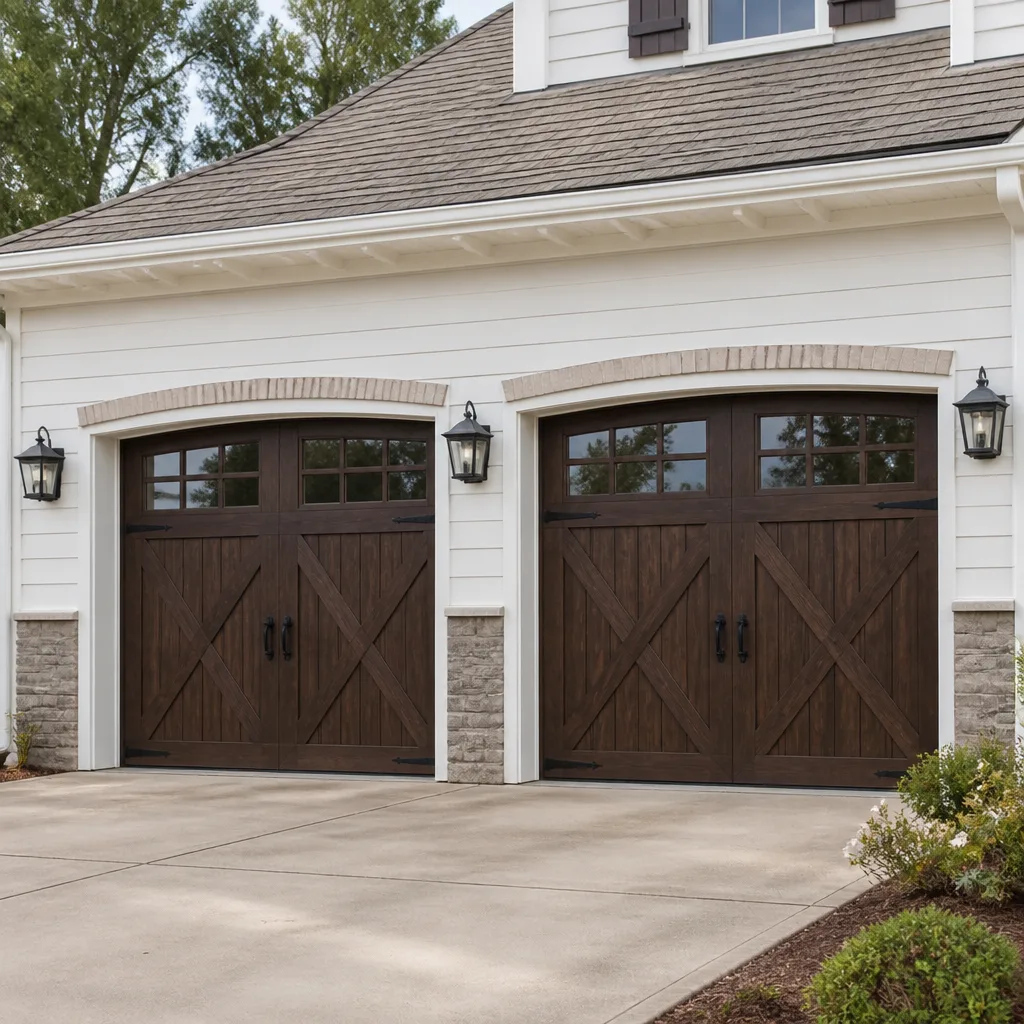
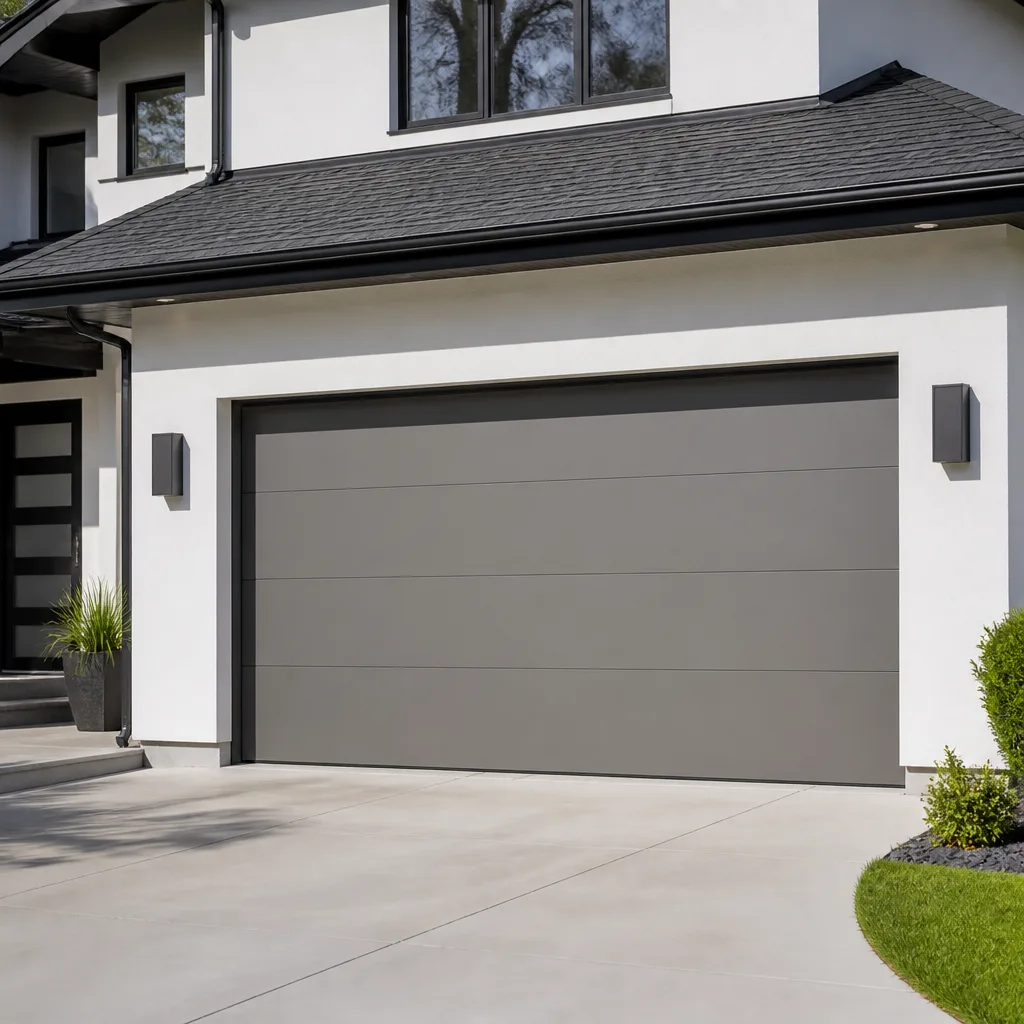
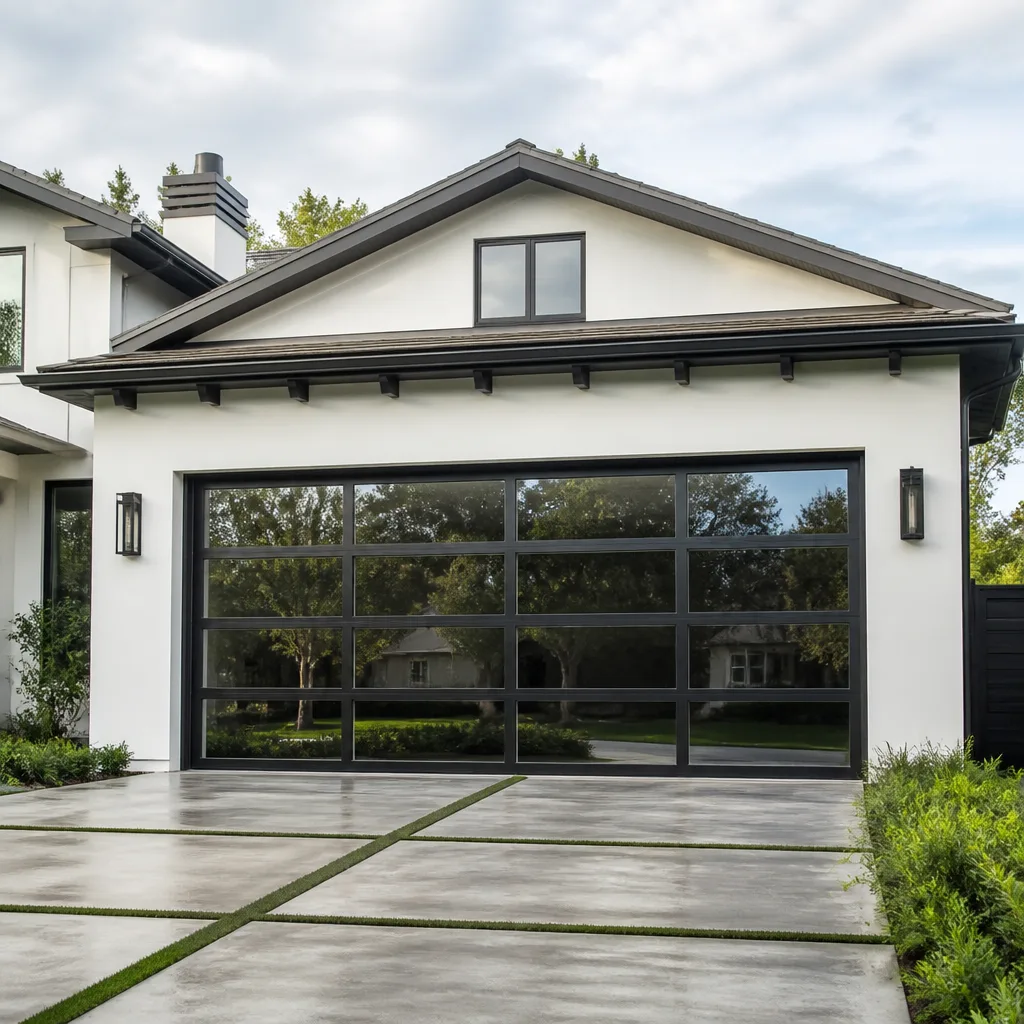
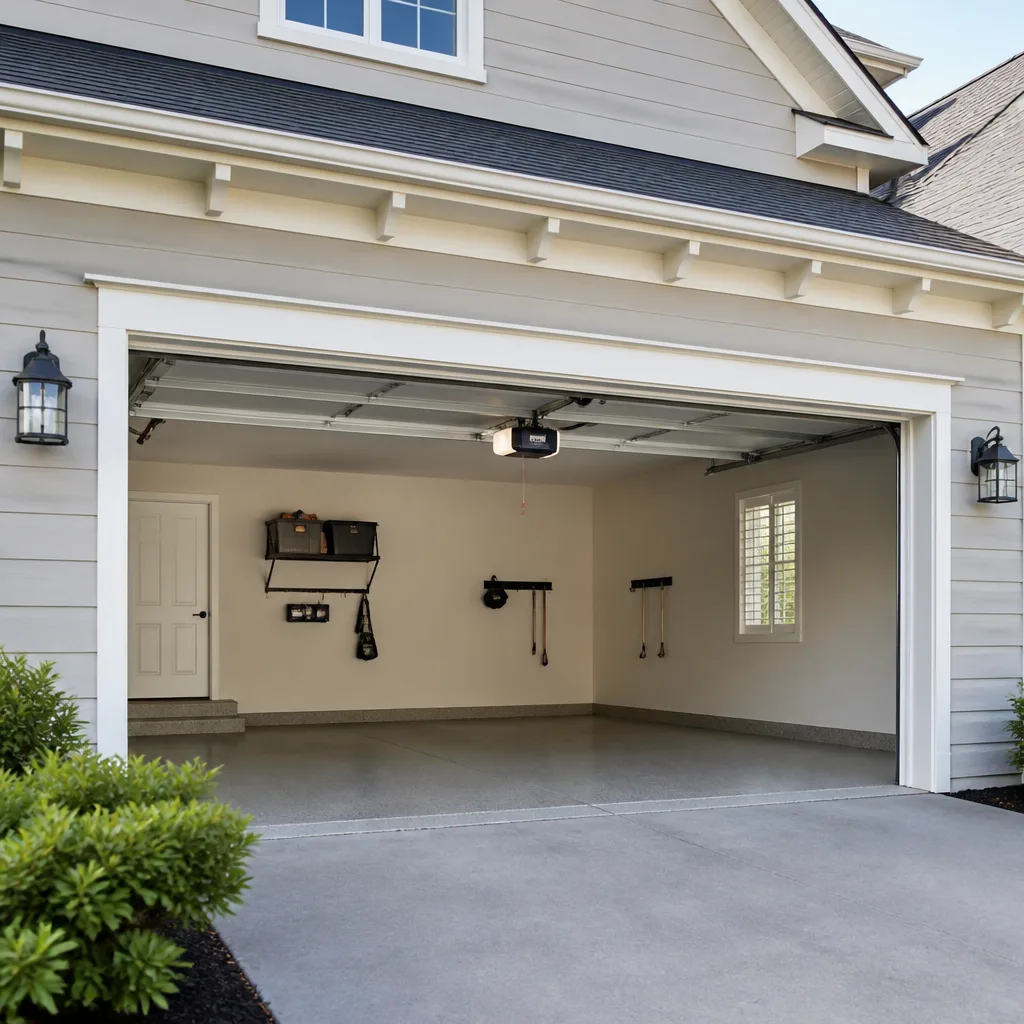
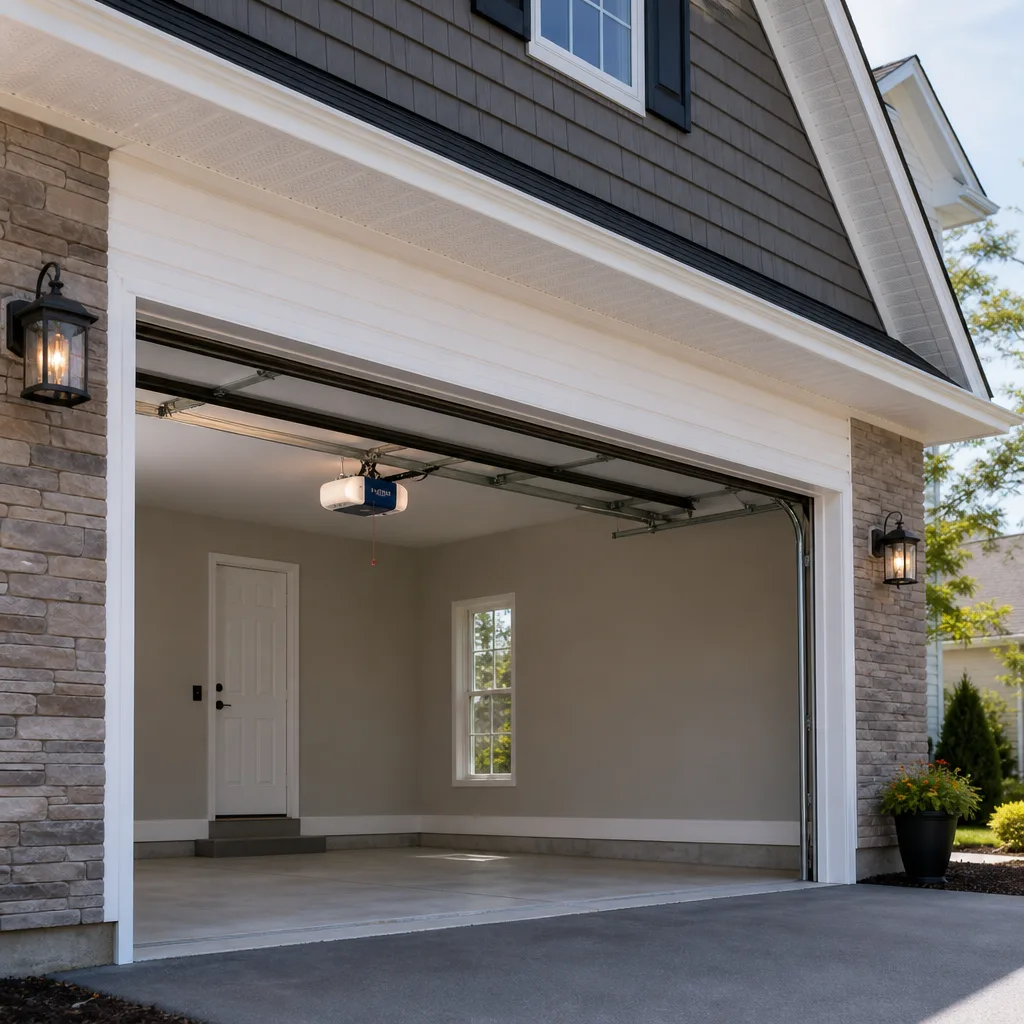
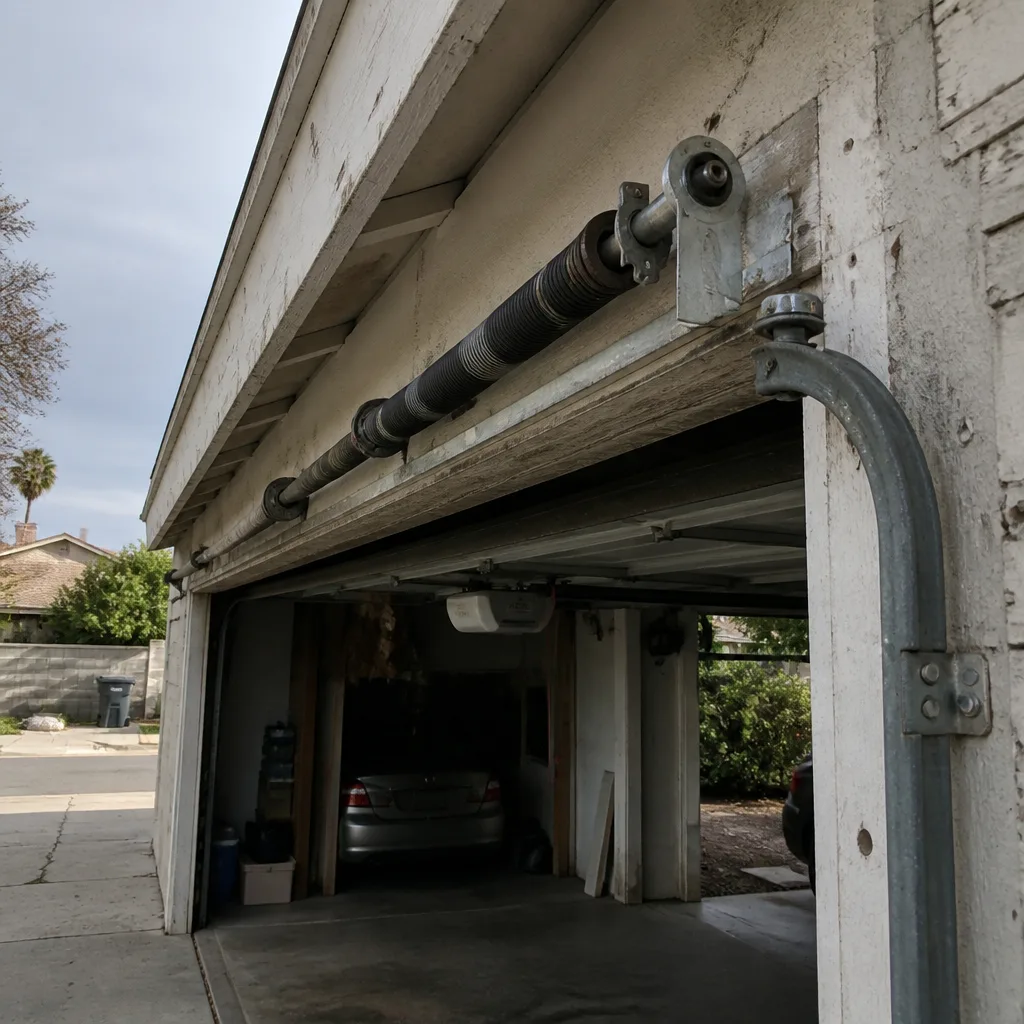 Before
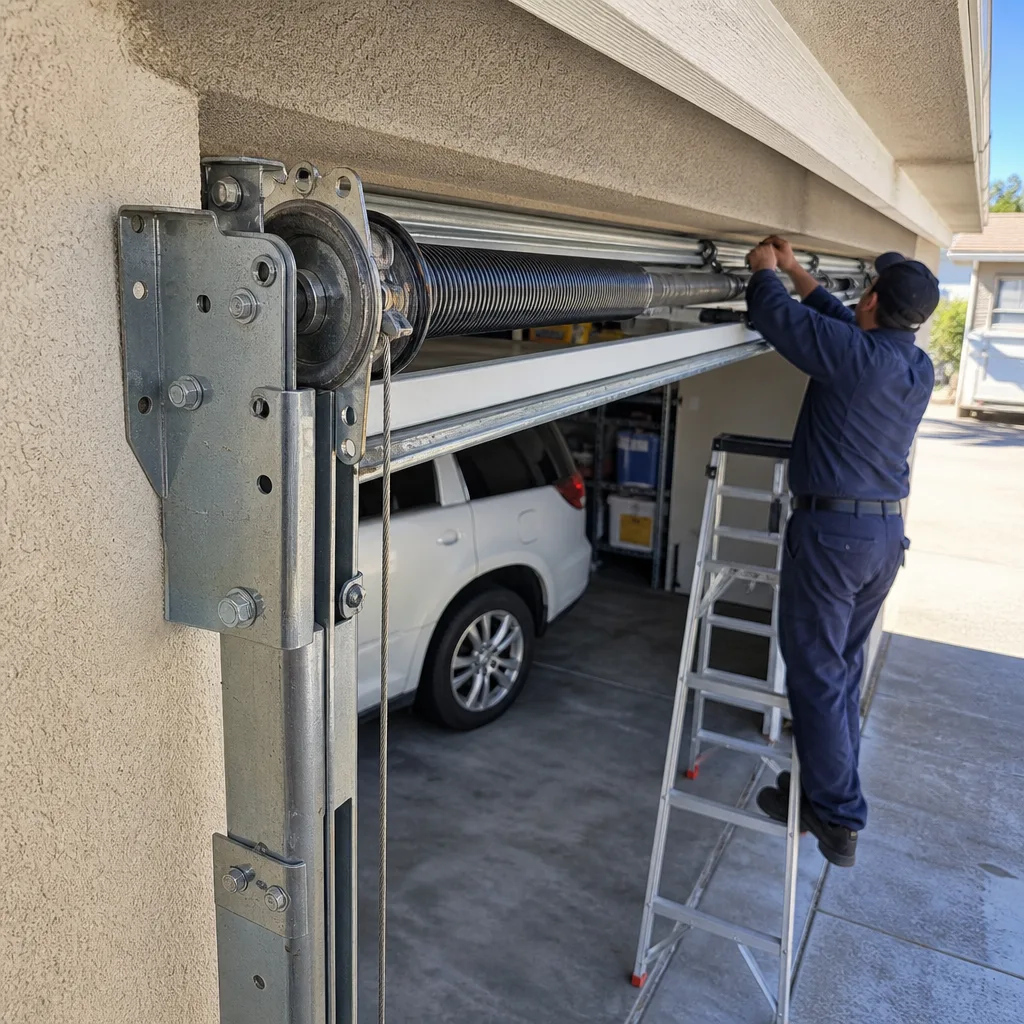 After
After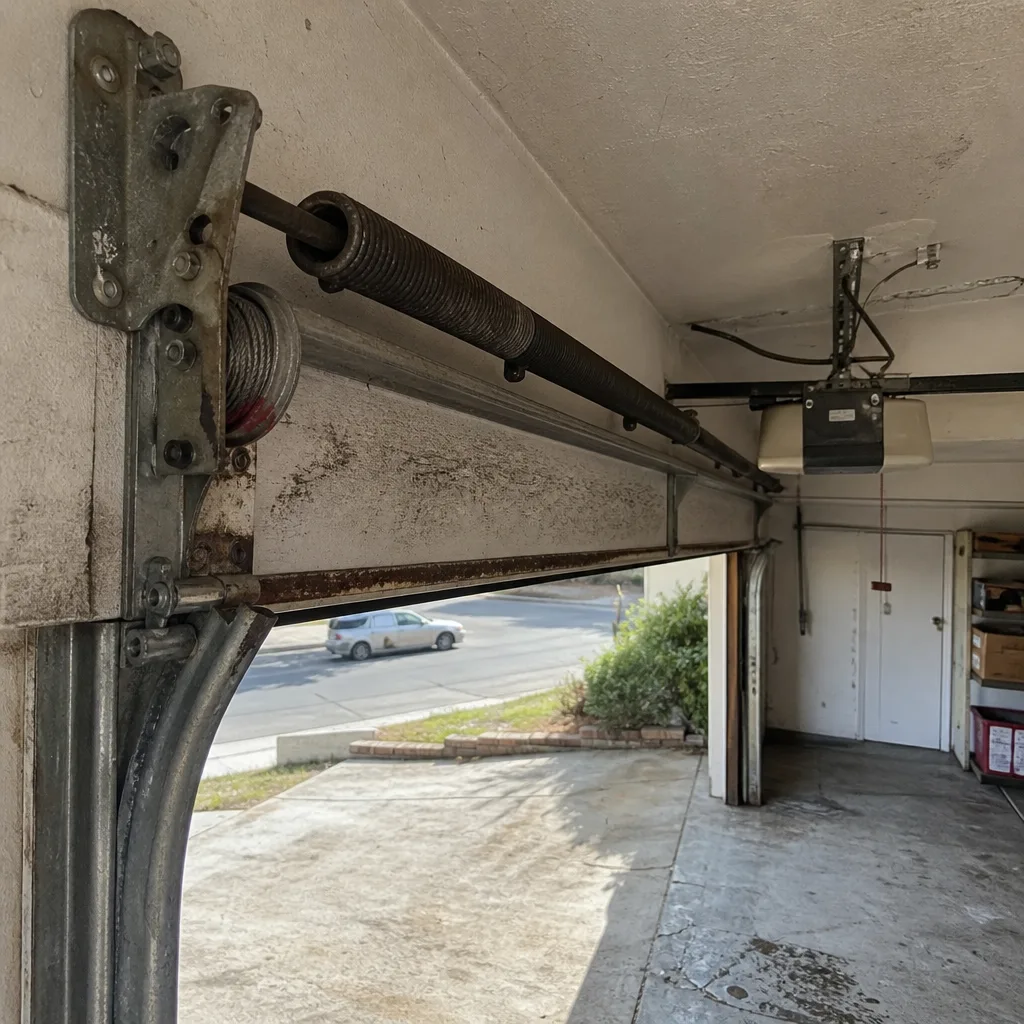 Before
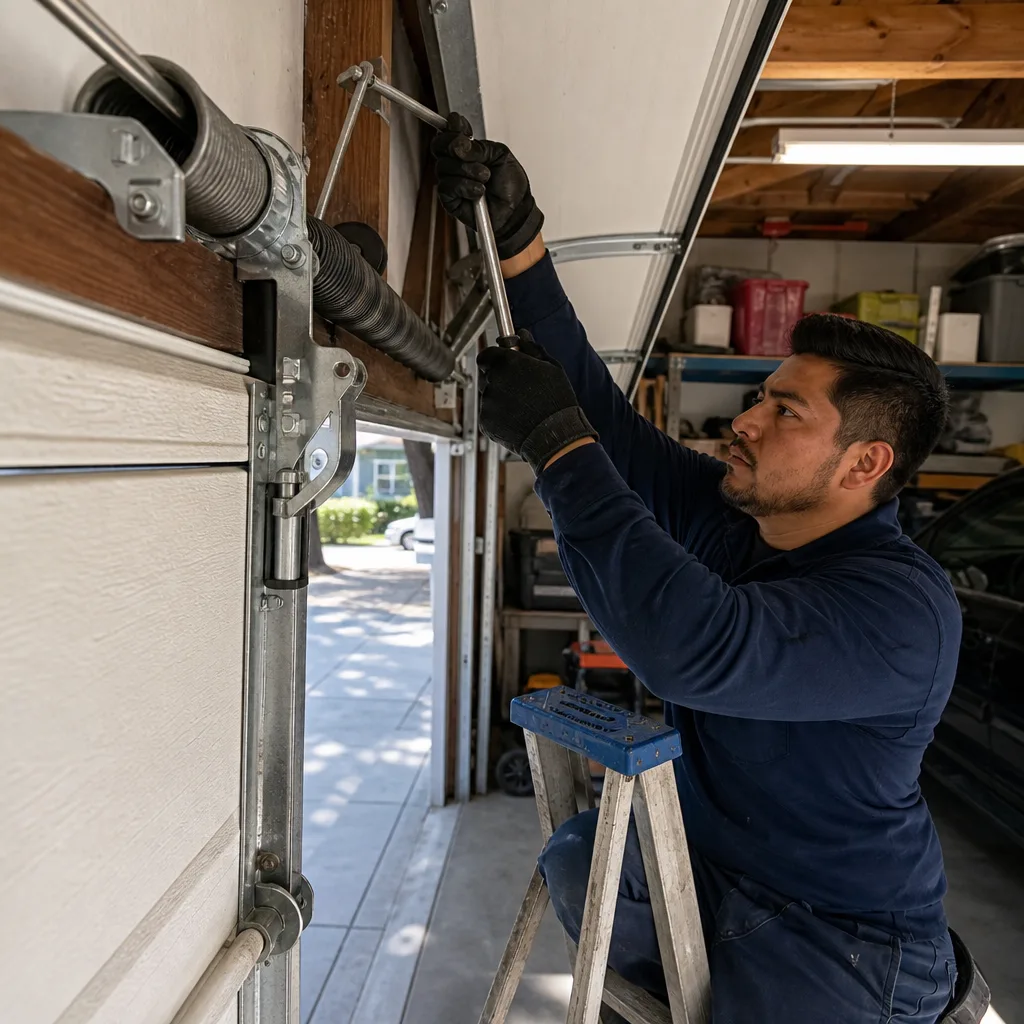 After
After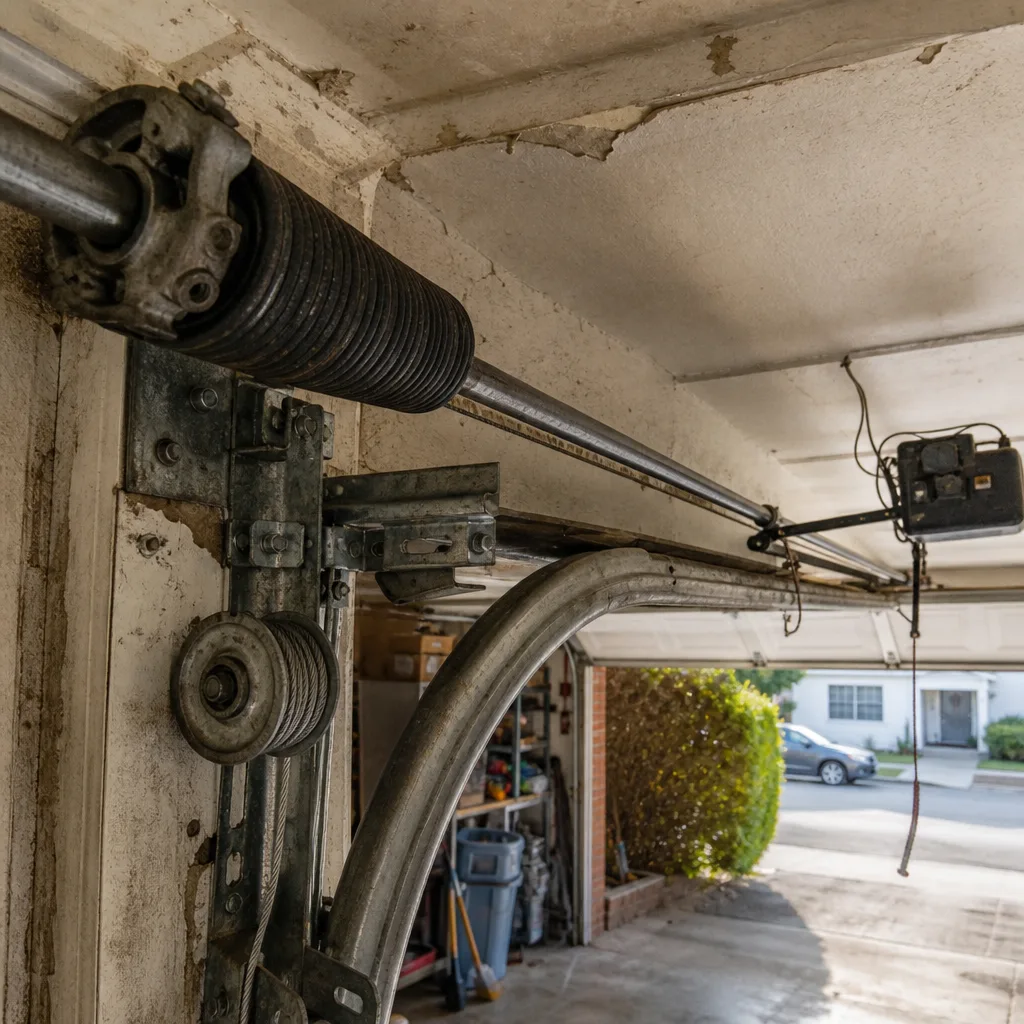 Before
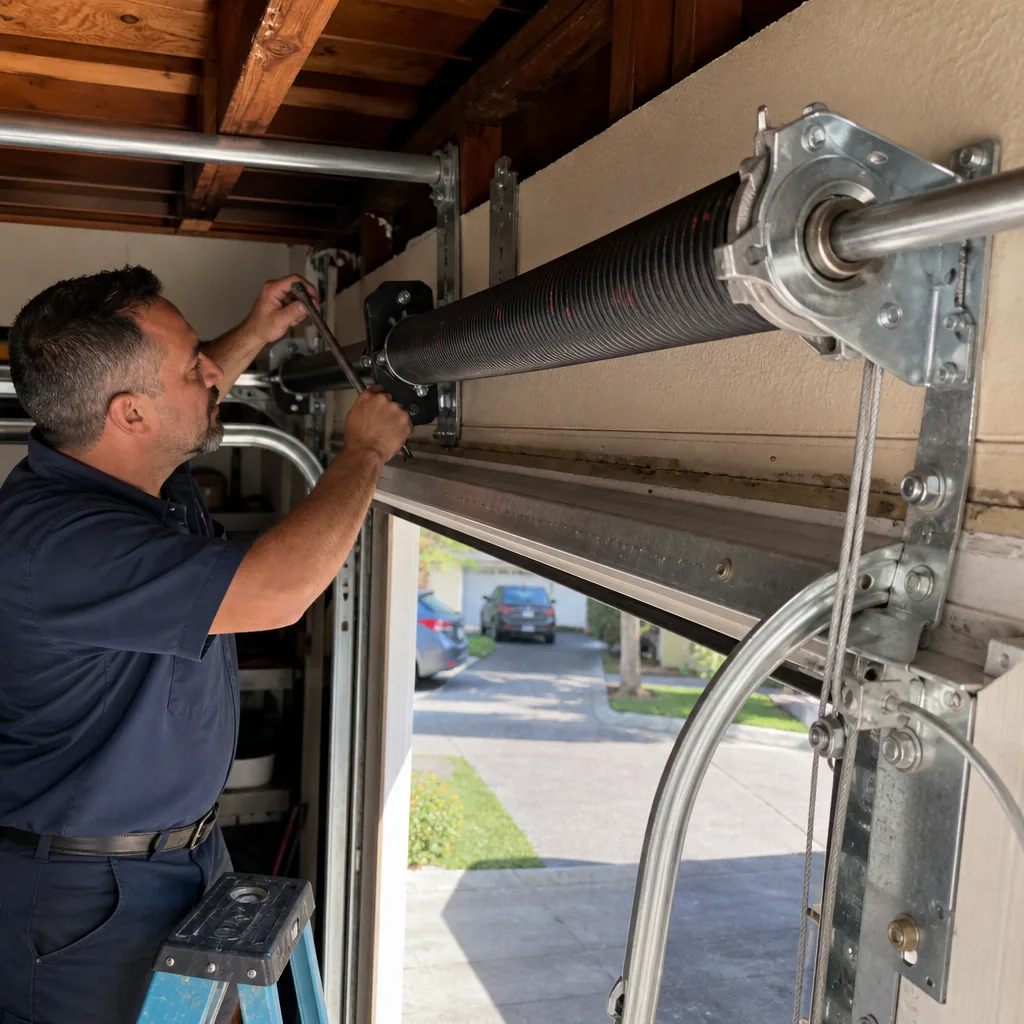 After
AfterGarage Door Permits, Codes & Inspections in CA: What You Need to Know
A garage door replacement in an attached garage is sometimes classified as an “alteration to a conditioned space” under California’s Title 24 code, which can require an energy calculation before the city signs off. Most contractors never mention this. Some don’t know it. In North Hollywood, where the City of Los Angeles jurisdiction meets LA County unincorporated pockets along the northern edge, the permit rules you follow depend on which side of the line your property sits. This guide explains when California requires a permit for garage door work, what codes actually apply, how inspections unfold, and why unpermitted work can surface years later to stall a home sale.
Quick Answer
In California, a permit is required for any new garage door installation or replacement that alters the structural opening, changes the thermal envelope of an attached garage, or involves electrical work on the opener. Most cities, including Los Angeles, require a licensed contractor to pull the permit. Inspections verify structural safety, UL 325 entrapment protection on openers, and Title 24 energy compliance for attached garages. Unpermitted work must be disclosed in a home sale and can trigger retroactive permits, fines, or escrow delays.
Table of Contents
- When Is a Garage Door Permit Required in California?
- Title 24 and the Thermal Envelope: What Homeowners Miss
- City of Los Angeles vs. LA County Unincorporated: The Jurisdiction Line in North Hollywood
- UL 325 Entrapment Protection: How Inspectors Test Your Opener
- How to Pull a Permit: Homeowner vs. Contractor Paths
- What Unpermitted Garage Door Work Looks Like on a Property Disclosure
- The Inspection Process: What Actually Happens
- Permit Costs and Timelines in the North Hollywood Area
When Is a Garage Door Permit Required in California?
California Building Standards Code (Title 24) and local amendments determine when a garage door project needs a permit. The rule is not uniform across every city, but the underlying principles are consistent enough to predict.
A permit is required when any of these conditions apply:
- The door is being installed where none existed before. This is always an “addition” under the code, not a repair.
- The rough opening dimensions change. Widening, narrowing, or raising the header triggers structural review.
- The garage is attached to the dwelling and the door replacement affects the thermal envelope. More on this in the next section, because it catches homeowners by surprise.
- Electrical work is performed on the opener circuit. New outlet, dedicated circuit, or subpanel work requires an electrical permit.
- The door is part of a larger remodel or addition. Even if the door itself seems minor, it falls under the scope of the primary permit.
What does not require a permit? Purely cosmetic changes: painting, decorative hardware, or window inserts that do not alter the door’s structural or thermal properties. Panel replacement on an existing sectional door usually does not trigger permitting if the opening, track, and opener remain unchanged. Spring replacement, cable repair, and roller swaps are maintenance, not alterations.
Here is where homeowners get tripped up. A “like-for-like” replacement sounds simple. But if your 1987 uninsulated steel door is being swapped for a modern insulated model with a higher R-value, some jurisdictions treat this as an energy-code event. The logic: you are improving the thermal performance of a conditioned-space boundary, which is exactly what Title 24 regulates.
In our experience across North Hollywood and the broader San Fernando Valley, the Los Angeles Department of Building and Safety (LADBS) has become more attentive to this distinction since the 2022 Title 24 revisions. Inspectors now routinely ask for the door’s U-factor and SHGC (Solar Heat Gain Coefficient) ratings on attached-garage installations. We carry that documentation for every garage door installation in North Hollywood we perform, because showing up without it costs a day.
Title 24 and the Thermal Envelope: What Homeowners Miss
Title 24, Part 6 of the California Code of Regulations, governs energy efficiency in buildings. Most homeowners associate it with windows, insulation, and HVAC. Few expect it to apply to a garage door.
The triggering condition is whether the garage is “conditioned space” or directly adjacent to it. An attached garage shares at least one wall with the living area. That shared wall, and any door leading from garage to house, is part of the thermal envelope. The garage door itself becomes a thermal boundary when the garage is heated, cooled, or used as habitable space. But even for unconditioned attached garages, California’s prescriptive compliance approach sometimes requires the door to meet minimum efficiency standards when replaced.
The 2022 Title 24 update introduced stricter U-factor requirements for envelope components. For garage doors in Climate Zone 9, which includes Los Angeles County, the prescriptive U-factor maximum is 0.37 for non-opaque doors and varies for doors with glazing. Manufacturers publish these values; reputable brands like Clopay and Amarr label their compliant models clearly. Wayne Dalton’s ThermoMark and Thermospan lines also carry the necessary NFRC ratings.
What happens if you install a non-compliant door? The inspector fails the energy compliance portion of the inspection. You either replace the door with a compliant model, or an energy consultant must run a performance-based compliance calculation (CEC-CF-1R form) showing the building still meets the energy budget as a whole. That calculation costs $300-$600 and takes a week. It is cheaper to buy the right door upfront.
Detached garages are generally exempt from Title 24 envelope requirements unless the garage is converted to habitable use. This is why we always verify the garage’s relationship to the house before quoting a replacement in North Hollywood. A property on Hartsook Street in the city proper faces different compliance rules than a detached garage on a hillside lot in the county pocket near Mulholland Drive.
One more detail competitors rarely mention: Title 24 compliance documentation must be retained by the building owner. When you sell, the buyer’s inspector or the escrow officer may request proof the work was code-compliant. We provide a compliance packet with every permitted installation, including the manufacturer’s certificate, the CF-1R or prescriptive compliance form, and the final inspection card.
City of Los Angeles vs. LA County Unincorporated: The Jurisdiction Line in North Hollywood
North Hollywood sits at a jurisdictional seam. Most of the neighborhood falls under the City of Los Angeles, served by LADBS. But pockets along the northern and eastern edges, particularly near the foothills and some canyon-adjacent streets, lie in LA County unincorporated territory. Those properties answer to the LA County Department of Regional Planning and LA County Public Works for building permits.
The practical difference matters for garage door work:
| Factor | City of Los Angeles (LADBS) | LA County Unincorporated |
|---|---|---|
| Permit issuer | LADBS | LA County Public Works, Building & Safety Division |
| Online permit portal | Yes (EPN system) | Yes (LAC Build) |
| Contractor license verification | Strict; CSLB check required | Strict; CSLB check required |
| Title 24 enforcement | Active; energy docs reviewed | Active; energy docs reviewed |
| Inspection scheduling | Online or phone; 24-48 hr lead time typical | Online or phone; 48-72 hr lead time typical |
| Plan check for simple door replacement | Usually waived; over-the-counter permit | Usually waived; over-the-counter permit |
| Same-day emergency inspection | Rare; must be requested | Rarer; limited staff |
How do you know which jurisdiction owns your property? The simplest check is your property tax bill. “Los Angeles County” as the taxing agency with no city name listed usually means unincorporated. Or search your address on the Mainspring Garage Door Co. home page and call us; we have pulled permits on both sides of the line for decades and know the boundaries street by street.
The county pockets in North Hollywood tend to be older, with detached garages on larger lots. These properties often have 1950s-era doors on original jambs, no weatherstripping, and wood framing that has settled with the hillside soil. When we replace doors in these areas, we frequently find the opening is out of square by an inch or more. That is not a permit issue per se, but it becomes one if we need to reframe to accommodate a modern track system. Any reframing of the rough opening triggers structural inspection, even in the county’s otherwise streamlined process.
City of Los Angeles properties, particularly the dense apartment stock south of Magnolia Boulevard, often have attached garages with fire-rated doors leading to interior hallways. Replacing the exterior garage door on these buildings sometimes requires coordination with the fire-rated assembly inspection. We have seen LADBS inspectors check the door’s fire rating label, the self-closing hinge on the interior door, and the smoke detector in the garage as a single sequence. Miss one element, fail the whole inspection.
UL 325 Entrapment Protection: How Inspectors Test Your Opener
Every garage door opener manufactured, sold, or installed in the United States must comply with UL 325, the Standard for Door, Drapery, Gate, Louver, and Window Operators and Systems. California adopts this by reference in the California Electrical Code. Inspectors do not merely glance at the opener. They test it.
Here is what a proper UL 325 inspection verification includes:
- Photo eye alignment and function test. The inspector places a 6-inch object (often a roll of paper towels) in the door path and commands a close. The door must reverse within 2 seconds or before contacting the object. Misaligned or dirty photo eyes fail immediately.
- Force setting verification. The inspector checks that the opener’s down-force is set to the minimum necessary for reliable operation. Excessive force fails.
- Entrapment protection type confirmation. Openers manufactured after 1993 must have external photo eyes (infrared sensors). Older openers with only a mechanical edge sensor are non-compliant and must be replaced.
- Wall control station height. The button must be mounted at least 5 feet above the floor, out of reach of small children.
- Emergency release function. The red manual release handle must be visible, accessible, and operational. The inspector pulls it to confirm the door can be operated by hand.
We have watched homeowners fail inspection because they installed a new Craftsman opener themselves and never adjusted the force settings from factory default. The factory setting is often too high for a specific door weight and spring tension. A heavy Clopay insulated door on a 7-foot opener needs different calibration than a lightweight non-insulated model. Our technicians set and document these values during every garage door opener installation in North Hollywood.
One North Hollywood-specific note: the summer heat in the Valley can warp photo eye brackets, especially on south-facing garages. We see this on streets like Camarillo and Moorpark, where afternoon sun hits the sensor housing directly. A bracket that was aligned in March drifts by August. If your inspection is scheduled for late summer, check the alignment the morning of. Better yet, have us verify it when we service the door.
UL 325 compliance is not negotiable. An opener installation without functioning entrapment protection is a red-tag event in both city and county jurisdictions. The inspector will disable the opener electrically and post a notice. You cannot legally operate the door until repaired and re-inspected.
How to Pull a Permit: Homeowner vs. Contractor Paths
California allows homeowners to act as their own contractor on single-family residences they occupy, under Business and Professions Code Section 7044. This is called the “owner-builder” exemption. It sounds straightforward. It rarely saves money on garage door work.
The Homeowner Path
- Verify your jurisdiction (LADBS or LA County) using your property address.
- Complete the permit application, including the door specifications, opener model, and Title 24 compliance documentation.
- Submit proof of ownership (grant deed or recent tax bill) and sign the owner-builder disclosure stating you understand you are acting as your own contractor.
- Pay the permit fee.
- Schedule the rough inspection (if required) and final inspection yourself.
- Be present for inspections, or designate a representative in writing.
The owner-builder route costs less in permit fees because you avoid the contractor’s overhead markup. But you assume full legal responsibility for code compliance. If the inspector finds a deficiency, you correct it at your own expense. You also forfeit the contractor’s warranty on workmanship; the manufacturer still covers product defects, but installation errors are on you.
The Licensed Contractor Path
Most cities, including Los Angeles, strongly prefer that a CSLB-licensed contractor pull the permit. Some jurisdictions require it for all work valued above $500. The contractor:
- Completes the application with technical specifications they know by heart
- Carries liability and workers’ compensation insurance that protects you
- Coordinates inspections around their schedule, not yours
- Corrects deficiencies under their contract, not your wallet
- Provides a written warranty on installation
In North Hollywood, we have found the owner-builder path makes sense only for homeowners with construction experience who are doing their own labor. Even then, the Title 24 documentation requirements trip up most DIYers. The CEC-CF-1R form alone has 14 fields that must match the manufacturer’s certified ratings exactly. A typo means rejection.
Our recommendation: let us pull the permit. The fee difference is $50-$100, and we absorb the inspection scheduling, documentation, and any callback costs. That is built into our flat price, which we state before any work begins. No surprises on the bill.
What Unpermitted Garage Door Work Looks Like on a Property Disclosure
California Civil Code Section 1102 requires sellers to disclose material facts affecting property value. Unpermitted construction is explicitly listed as a material fact on the Transfer Disclosure Statement (TDS) and the Seller Property Questionnaire (SPQ). Garage door work is construction.
Here is how unpermitted garage door work surfaces in a real estate transaction:
- The seller checks “yes” to unpermitted work. The buyer’s agent requests permits from the city. None exist. The buyer demands a retroactive permit, a price reduction, or escrow cancellation.
- The seller checks “no” or “unknown.” The buyer’s inspector notices a newer door, opener, or framing that does not match the age of other improvements. The agent pulls permit history. The discrepancy becomes a negotiation point or a lawsuit risk.
- The title company flags a Notice of Violation. If a neighbor complained or a city inspector spotted work in progress, a code enforcement case may exist. This clouds title until resolved.
Buyers’ agents in the North Hollywood market are trained to spot garage door discrepancies specifically. Why? The neighborhood’s housing stock spans 1940s bungalows to 1980s condos, and original doors are obvious: wood panel, no insulation, no photo eyes. A modern insulated door with a belt-drive opener on a 1952 cottage is a tell. So is a permit history showing electrical or structural work with no corresponding garage door permit.
The cost of retroactive permitting often exceeds the original permit fee. LADBS charges double for after-the-fact permits. You may need to expose framing for inspection, provide as-built drawings, and in some cases, remove and reinstall the door to prove proper fastening. We have been called into this situation more than once. It is never cheaper than doing it right the first time.
One protection: if the work was performed by a licensed contractor who failed to pull the permit, the CSLB can compel them to rectify the situation. But you must prove they did the work, and the statute of limitations is four years for latent defects. After that, you are negotiating from weakness.
The Inspection Process: What Actually Happens
Understanding the inspection sequence removes anxiety and prevents failures. Here is the typical flow for a permitted garage door replacement in Los Angeles or LA County:
- Rough inspection (sometimes waived). For a simple replacement with no structural changes, many jurisdictions skip this. If you reframed the opening, added a new header, or modified the foundation, the rough inspection verifies structural work before concealment. The inspector checks lumber grade, fastener schedules, and bearing points.
- Electrical inspection (if applicable). New circuit, outlet, or subpanel for the opener requires a separate electrical inspection. This can be combined with the final or scheduled separately, depending on jurisdiction.
- Final inspection. The inspector arrives, usually without appointment window precision. They verify:
- Door installation matches the approved plans and specifications
- UL 325 entrapment protection functions correctly
- Title 24 compliance documentation is complete and matches the installed product
- Fire-rated assemblies are labeled and intact (if applicable)
- Weatherstripping and sealing are in place
- Correction notice (if needed). Any deficiency is listed on a correction notice. You have a set period, usually 30 days, to correct and request re-inspection. Re-inspection fees apply in most jurisdictions.
- Final approval. The inspector signs the card or updates the online record. You receive a Certificate of Final Completion or equivalent. Keep this with your property records permanently.
Inspection timing varies. LADBS typically offers next-day or two-day scheduling for garage door finals. LA County unincorporated is slower, especially after heavy rain when outdoor inspection backlogs accumulate. We schedule inspections as part of our project management, and we meet the inspector on site. Homeowners do not need to take time off work.
A North Hollywood-specific observation: the Valley’s hard water and summer heat create inspection pitfalls we see repeatedly. Photo eye lenses cloud with mineral deposits from sprinkler overspray. Steel door bottoms rust where drainage slopes toward the garage. Track brackets loosen in the expansion-contraction cycle of 100-degree days and 45-degree nights. We address these proactively before the inspector arrives, because a callback for a dirty photo eye wastes everyone’s time.
Permit Costs and Timelines in the North Hollywood Area
Permit costs scale with project value and jurisdiction. Here are the ranges we encounter most often:
| Project Type | LADBS Permit Fee | LA County Fee | Typical Timeline |
|---|---|---|---|
| Garage door replacement (like-for-like, no electrical) | $180-$280 | $160-$250 | 1-3 days to issue; inspect next day |
| Door replacement with Title 24 energy compliance review | $220-$340 | $200-$310 | 2-5 days; energy docs checked at intake |
| Door replacement with new opener circuit | $280-$420 | $260-$390 | 3-7 days; electrical and building inspections |
| Structural opening modification | $350-$600+ | $320-$550+ | 1-2 weeks; plan check required |
| Retroactive permit (after-the-fact) | Double standard fee | Double standard fee | 2-6 weeks; may require drawings, exposure |
These fees exclude the contractor’s time for application, coordination, and inspection attendance. Our flat prices include this service. We do not add permit fees as a surprise line item.
Timeline factors specific to North Hollywood: LADBS Valley offices handle heavy volume. Permits submitted Friday afternoon may not enter the system until Tuesday. LA County’s Building & Safety office in Alhambra serves the unincorporated North Hollywood pockets, and their inspectors cover vast territory. Scheduling flexibility helps. We maintain relationships with both offices that let us resolve questions quickly, but we do not promise to bend the queue. No one can.
Seasonal timing matters too. Permit departments slow in late December. Inspection backlogs build in March and April when contractors ramp up for spring. If you are selling a home and need permitted work completed for disclosure, start six weeks before listing. We have seen escrows delayed because a seller assumed a two-day permit process in April.
Common Mistakes to Avoid
- Assuming “like-for-like” means no permit. The thermal performance improvement alone can trigger Title 24 review, even if the door size and style are identical.
- Letting an unlicensed installer pull the permit. In California, only CSLB-licensed contractors (or the owner-builder) can legally obtain building permits. A handyman who offers to “handle it” is breaking the law.
- Ignoring the jurisdiction boundary. A North Hollywood address does not automatically mean LADBS. We verify every property before application to avoid rejected submissions.
- Discarding compliance documentation. The manufacturer’s energy label, the CF-1R form, and the final inspection card belong in your permanent property file. Escrow officers ask for them years later.
- Installing a non-UL 325 opener to save money. These appear on discount websites. They fail inspection, violate state law, and create liability if someone is injured.
- Skipping the final inspection after rough approval. Some homeowners assume rough approval means the job is “basically done.” It is not. The final verifies safety systems and energy compliance. Unfinalled permits expire and become violations.
- Buying the door before checking code requirements. We have had homeowners bring us a beautiful Amarr door they purchased online, only to discover it lacks the NFRC ratings for Climate Zone 9. The door goes back, or the permit process gets expensive.
When to Call a Professional
Pulling permits yourself is legal but rarely practical. The documentation requirements, inspection coordination, and liability exposure favor hiring a licensed contractor who does this weekly. Call a professional when your project involves an attached garage, any electrical work, a door model you have not verified for Title 24 compliance, or a timeline driven by a home sale. See our How to Hire a Garage Door Contractor in North Hollywood: A Step-by-Step Guide for what to ask before you commit.
Mainspring Garage Door Co. offers free estimates in North Hollywood. We verify your jurisdiction, confirm the code requirements, and state the full flat price, permit included, before any work begins. Call (747) 239-5578 to schedule.
Frequently Asked Questions
Yes, if the garage is attached to your home and the replacement affects the thermal envelope or involves structural or electrical changes. The City of Los Angeles and LA County both require permits for most garage door replacements on attached garages. Call (747) 239-5578 and we will verify your specific property requirements at no charge.
California allows homeowners to act as their own contractor under the owner-builder exemption, but most jurisdictions prefer or require a CSLB-licensed contractor for work over $500. The contractor path protects you with insurance, warranty, and technical expertise. In our experience, the small fee difference is recovered many times over in avoided errors and inspection callbacks.
Unpermitted work must be disclosed when you sell, can trigger retroactive permitting at double cost, and may stall or kill a real estate transaction. Buyers’ agents are trained to spot improvements without permit history. The financial risk far exceeds the permit fee.
Simple garage door permits typically issue in 1-3 business days with LADBS, and inspections schedule within 24-48 hours. Projects requiring structural plan check or energy compliance review take 1-2 weeks. LA County unincorporated areas are generally 1-2 days slower. We handle all scheduling and meet inspectors on site.
Yes. The inspector tests UL 325 entrapment protection, including photo eye function, force settings, wall control height, and emergency release accessibility. Openers without external photo eyes fail automatically. We calibrate and document every opener installation before inspection.
Often no, if the work is purely a door replacement with no structural, electrical, or habitable-space changes. However, some jurisdictions still require a permit for any door replacement as a matter of local policy. We check the specific requirement for your address before starting work.
The Bottom Line
Garage door permits in California are not bureaucratic trivia. They are financial protection. Title 24 energy compliance, UL 325 safety verification, and clean permit history protect your home’s value, your legal exposure, and your family’s safety. The jurisdiction line between City of Los Angeles and LA County unincorporated territory runs through North Hollywood, and the rules you follow depend on which side your property occupies. Unpermitted work does not stay hidden; it surfaces in disclosures, inspections, and escrow delays, always at the worst moment. The modest cost of proper permitting, done upfront by a licensed contractor who carries the documentation and stands behind the work, is the square deal that keeps you from thinking about your garage door again.
Written by Carl Dutton, Owner at Mainspring Garage Door Co., serving North Hollywood since 2016.